

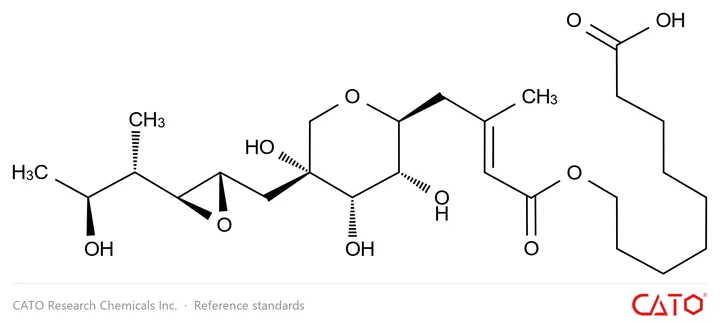
Pharmacopoeial impurity standards
Impurities named in a pharmacopoeial monograph, used to check that a chromatographic system resolves and quantifies the species the monograph lists. Pharmacopoeial designations are given for identification only and do not imply endorsement by those bodies.
134 items in this group. Every one has its own page with the CAS number, molecular data, available pack sizes and the documentation on file; the batch certificate of analysis states the value assigned to the lot you receive.
Which pharmacopoeias these come from
A pharmacopoeial impurity standard is the material a monograph names — an EP impurity letter, a USP related compound letter, or the equivalent in BP or JP. The letters are assigned inside each pharmacopoeia independently, so the same compound can carry different labels in different texts, and the same letter can point at different molecules. Where we state a correspondence between an EP impurity and a USP related compound, it is because the CAS number or the molecular formula is character-identical; where the evidence is missing we say nothing rather than guess.
What is documented for each item
Every pharmacopoeial impurity is shipped with a certificate of analysis issued for that lot: catalogue number, CAS number, the analytical method used and the value assigned to the lot, expressed as content rather than a nominal purity. Storage condition and shipping mode follow the compound (ambient, ice pack or dry ice), and a safety data sheet carries the transport classification. Typical purity measured on a released lot is also published on the product page for most items, so a laboratory can see the figure before it enquires.
Using these standards in a method
For system suitability and identification a standard has to be traceable to a defined material; for quantification it has to carry an assigned content, because that is the number that converts a peak area into a mass. If a monograph has been revised, the resolution or suitability requirement can change without the analyte changing, so re-qualifying the standard against the current text is part of the work — and the certificate for the lot you hold is the document that supports it.
Frequently asked questions
Is an EP Impurity B the same as a USP Related Compound B?
Not necessarily. Each letter is assigned inside its own pharmacopoeia. Match on the CAS number, and treat a supplier's letter as a claim to be verified.
Do you supply the certificate for a specific lot?
Yes. Certificates are issued per lot and can be retrieved by lot number; the value assigned to the lot is stated on the certificate, not only a typical figure.
What if the monograph lists an impurity you do not hold?
Send the structure or the parent drug substance. Non-compendial and novel impurities are quoted for synthesis or isolation from a structure, including compounds with no CAS number.
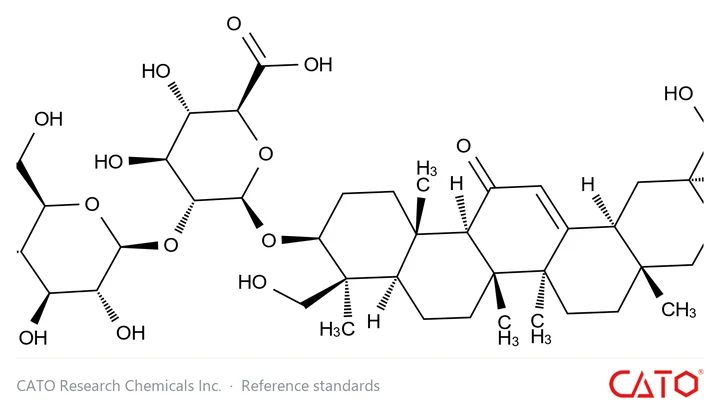
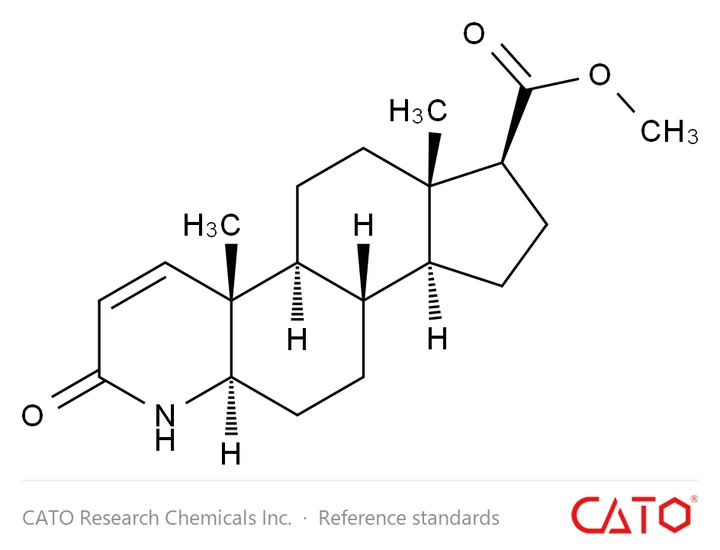
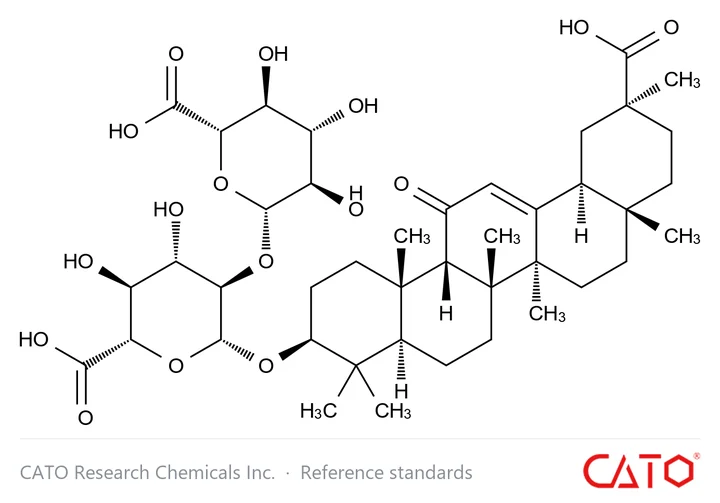

Request a quote or email chao.lu@cato-chem.com
Other groups: Antibiotic impurity standards · Impurity and metabolite reference standards · Mycotoxin reference standards · Nitrosamine and nitrosamine-impurity standards · PFAS reference standards · Pesticide and veterinary drug reference standards · Solution and multi-component standards · Stable isotope labelled internal standards · Vitamin reference standards